
Dental bridges are a reliable way to replace missing teeth. They help restore how your teeth look and work. Choosing the right type of bridge is important for the best results. We offer several kinds of dental bridges, each designed for different needs. Learning about your dental bridge options in our Gettysburg, PA, office can help you decide which one is best for you.
Understanding Dental Bridges
Dental bridges are a restorative dental procedure designed to fill gaps left by missing teeth. They consist of two main components: crowns and pontics. The crowns serve as anchors to attach the bridge to your natural teeth or dental implants. The pontics, or false teeth, fill the gap and replace the missing teeth.
Bridges restore your smile and also improve your ability to chew and speak. They often prevent the remaining teeth from shifting out of position to prevent further complications.
Traditional Dental Bridge
A traditional dental bridge is the most common type used in dentistry. It involves placing two crowns on either side of the gap left by the missing tooth. These crowns anchor the pontic for support. Traditional bridges are particularly effective when you have healthy teeth on both sides of the gap.
These bridges are often recommended for replacing molars, which endure significant chewing forces. However, the preparation process requires altering the adjacent healthy teeth to accommodate the crowns.
Implant-Supported Bridge
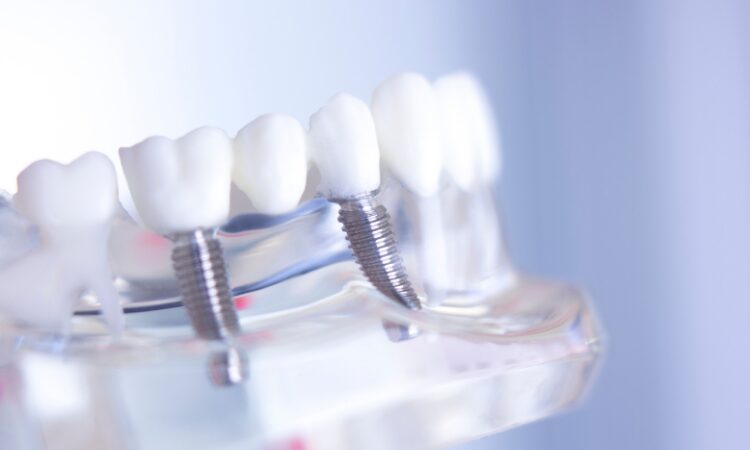
Our implant-supported bridges offer a modern and highly stable solution for replacing multiple missing teeth. This type of bridge relies on dental implants for support. Implant bridges are stable and don’t rely on adjacent teeth for support. They’re a great option if you have multiple missing teeth and prefer a long-lasting solution.
The process involves surgical placement of the implants, which requires a longer treatment time. But, the results improve your bite function and last longer.
Factors to Consider When Choosing a Dental Bridge
Our dentist will consider multiple factors when choosing the most suitable dental bridge for your needs. First, we assess the location of the missing tooth or teeth. The position can influence the type of bridge that will work best. We’ll evaluate the condition of the adjacent teeth, as their health will impact the bridge’s stability.
Consider your budget and insurance coverage, as costs can vary depending on the type of bridge and materials used. Discuss your options with your dentist, who will evaluate your oral health and recommend the best type for your specific situation.
Benefits of Dental Bridges
Dental bridges offer many benefits that could enhance both oral health and quality of life. Bridges often improve your ability to chew and speak, making daily activities more comfortable. They could help maintain the shape of your face by preventing bone loss in the jaw.
Bridges help prevent the remaining teeth from shifting out of position. Getting a restoration like a bridge keeps remaining teeth in line. By replacing missing teeth, bridges often contribute to overall oral health and function.
Consulting with Your Dentist
You can meet with Dr. Tempel to determine the right dental bridge for your needs. Dr. Tempel will conduct a thorough evaluation of your oral health. First, she’ll examine the condition of your teeth and gums. She’ll explain the pros and cons of each type of bridge and guide you through the decision-making process.
Trusting your dentist’s expertise ensures that you get the best results and achieve a healthy and beautiful smile. Open communication with your dentist allows you to address any concerns and make informed choices about your dental care.
Replace One or More Lost Teeth
If you suffer from tooth loss, a dental bridge could help restore your bite and smile. Contact us today to schedule a consultation and learn more about your restorative dentistry treatment options. Dr. Tempel will find the right tooth replacement to mee your needs.