
Tooth decay rarely gets better on its own. When Dr. Rita Tempel recommends a filling in Gettysburg, PA, it can be tempting to postpone the appointment, especially if you aren’t experiencing pain. But delaying a dental filling can turn a simple fix into a more complicated, and more expensive, problem. Acting early helps protect your oral health, preserve your natural teeth, and save you time, money, and discomfort in the long run.
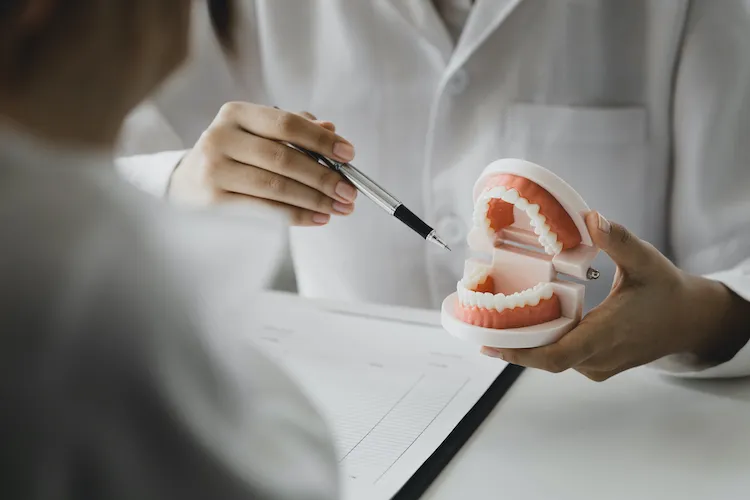
Why Treat Cavities Early?
Dr. Tempel recommends that you visit her for cavity treatment in Gettysburg, PA, earlier rather than later. Getting fillings from Dr. Tempel can reduce your risk of further damage. It can also save you from feeling tooth pain.
Small Cavities Get Bigger Fast
Cavities start when bacteria in your mouth make acids that eat away at your tooth’s hard outer layer (called enamel). When a cavity is still small, getting a filling is quick and usually doesn’t hurt. The dentist just removes the bad part and fills the hole. Most fillings take about 20 minutes. But if you don’t treat the cavity, it keeps growing. The decay moves deeper into your tooth.
First, it reaches the dentin (the layer under the enamel), then it can reach the pulp in the center of your tooth, where the nerves are. Once it gets that deep, you might need a root canal or crown instead of a simple filling. These treatments take more time and cost more money. Your tooth enamel can’t grow back or heal itself. This means once decay starts, it will only get worse without treatment.
Most Cavities Don’t Hurt at First
Many people think cavities hurt right away, but that’s not true. Small cavities usually don’t cause any pain. You might not feel anything wrong until the decay gets close to the nerve in your tooth. By that time, the cavity is already serious.
When you finally do feel pain or sensitivity, it means the decay has gone deep. Your tooth might hurt when you eat something cold or sweet, or when you bite down. These are warning signs that you need treatment soon. If you get your filling done early, you can avoid all that pain. Don’t wait until your tooth hurts to see the dentist.
Waiting Can Cause Infections
When a cavity reaches the center of your tooth, bacteria can cause an infection. This infection is called pulpitis. It can make your face swell up and cause severe pain. Sometimes an abscess forms, which is a pocket of pus at the bottom of your tooth root.
Abscesses are very painful and can be dangerous if the infection spreads. An infected tooth can turn into a dental emergency. You might need antibiotics to fight the infection. Dr. Tempel might need to drain the pus. You’ll probably need a root canal to save the tooth.
All of this could have been avoided with a simple filling done on time. Getting your filling early stops bacteria from getting deep into your tooth where they can cause serious problems.
Saving More of Your Natural Tooth
Every time a dentist works on your tooth, they have to remove some of the tooth material. A small filling only removes the decayed part. The rest of your tooth stays healthy and strong. But if you wait and the cavity grows, Dr. Tempel has to remove more of your tooth.
You might need a bigger filling or even a crown to cover the whole tooth. The more natural tooth you can keep, the better. Your natural teeth are always stronger than any filling or crown. Getting treatment early means your dentist can save more of your real tooth.
Costs Go Up When You Wait
A regular filling is one of the cheapest dental treatments you can get. But if you wait too long, you might need more expensive treatments like crowns, root canals, or even tooth extractions. These procedures cost a lot more than a simple filling. They also take more visits to the dentist. What starts as a $200 filling could turn into a $2,000 root canal and crown. Getting your filling done quickly is better for your wallet and your schedule.
Your Mouth Affects Your Whole Body
Taking care of your teeth is important for your overall health, not just your mouth. Infections in your teeth can cause inflammation in your body. Research shows that dental problems are connected to heart disease and other health issues.
When you treat cavities early with fillings, you keep harmful bacteria under control. This helps protect your whole body, not just your teeth in check, reducing your risk of complications beyond the mouth.
Get a Gettysburg Dental Filling Consultation
Although a small cavity may not seem like a big deal, it can quickly turn into a huge problem. A timely dental filing at Gettysburg Smiles can prevent worsening damage and tooth loss. Contact our office today to schedule a consultation and learn more about the benefits of early intervention.