
If Dr. Rita Tempel has recommended a dental crown, you might be wondering what the process involves and how it will affect you. Dental crowns are a common solution to restore damaged teeth, improve how your teeth look, and strengthen weakened areas. While the idea of getting a crown may sound intimidating, understanding each step can help ease anxiety and prepare you for what’s to come.
What Does a Dental Crown Do?
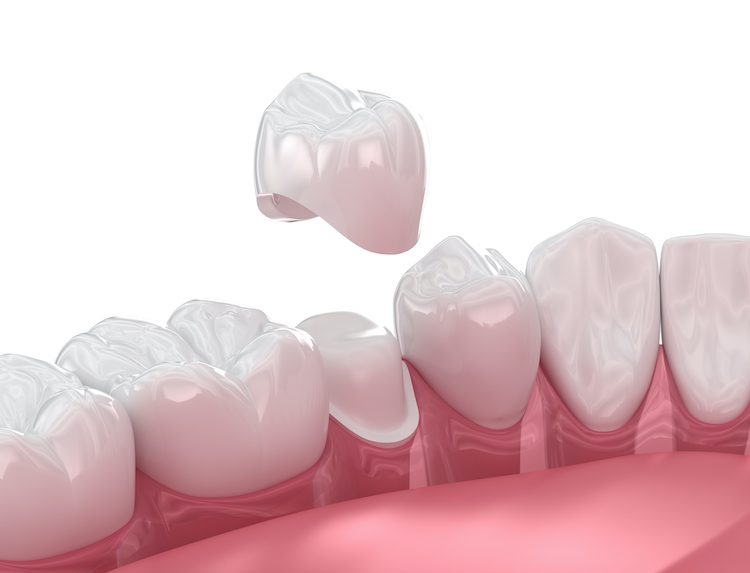
A dental crown is a cap that covers a tooth to restore its shape, size, and function. It can be made from materials like porcelain, ceramic, metal, or a combination, depending on the location of the tooth and your personal preferences.
Dentists often recommend crowns for teeth that are cracked, worn down, or have undergone root canal treatment. They also play an important role in cosmetic dentistry. Crowns are a natural-looking solution for discolored or misshapen teeth.
Your First Dental Evaluation
Before placing a crown, our dentist will perform a thorough evaluation. Dr. Tempel will examine the affected tooth, take X-rays, and discuss the most suitable materials for your crown. If there’s decay or infection present, it must be addressed first. In some cases, you may need a root canal before moving forward with the crown.
Once Dr. Tempel confirms that a crown is the best treatment, she’ll explain the steps, timeline, and costs involved. Most crowns require two appointments, though same-day crowns are available at some clinics using advanced imaging and milling technology.
Tooth Preparation and Temporary Crown
During the first appointment, our dentist will prepare the tooth to receive the crown. This involves numbing the area with local anesthesia for your comfort.
Then, the tooth is reshaped to make room for the crown, which typically involves removing a portion of the enamel from the top and sides. If a large part of the tooth is missing due to decay or damage Dr. Tempel may use a filling material to build it up. Filling materials can create a solid foundation for the crown.
Once the tooth is prepared, we’ll take an impression or digital scan. This is sent to a dental lab where your permanent crown is custom-made. In the meantime, we place a temporary crown to protect the tooth. You want to avoid sticky or hard foods and practice gentle oral hygiene while you wear your temporary.
The Final Crown Placement
Once your permanent crown is ready (usually within a week or two), you’ll return for your second visit. Our dentist will remove the temporary crown and check the fit, shape, and color of the new one to make sure it looks and feels natural. Small adjustments can be made for comfort and bite alignment before the crown is permanently cemented in place.
After the crown is secured, our dentist will polish it and check your bite to ensure everything feels right. You can chew and speak normally right away.
Aftercare and Longevity
It’s normal to have some mild sensitivity after your crown is placed, especially to hot or cold foods. This should go away in a few days. You can take over-the-counter pain relievers if needed.
To keep your crown and surrounding teeth healthy, brush twice a day, floss daily, and avoid chewing hard objects like ice or pens. With good care, most crowns last 10 to 15 years or even longer. Regular dental checkups will help your dentist make sure your crown stays in great shape.
Get a Custom Crown Today
At Gettysburg Smiles, we are dedicated to helping you preserve your oral health. If you have deep decay or extensive damage, a dental crown could help prevent worsening damage. Contact our office today to schedule a consultation and learn more about your restorative dentistry treatment options.