
Dental implants are a significant investment in your oral health and smile. They offer a permanent solution for missing teeth and, when properly cared for, can last a lifetime. However, the success of a dental implant doesn’t stop at the surgical procedure. Proper implant aftercare helps you heal, prevents complications, and will maintain the integrity of the implant.
Immediate Post-Surgery Care
The first few days after your dental implant surgery are the most important for proper healing. You may notice mild swelling, soreness, or light bleeding around the surgical site. This is completely normal. Most patients find that these symptoms fade within a week.
During this time, focus on rest. Avoid strenuous activities or bending over, as this can increase blood flow to your head and cause bleeding. If swelling occurs, gently apply an ice pack to your cheek in 15-minute intervals during the first 24 hours.
Take any prescribed medications, including pain relievers or antibiotics, exactly as directed by your dentist or oral surgeon. These help manage discomfort and prevent infection.
Eating After Surgery
Stick to soft, cool foods for the first few days. Avoid crunchy, sticky, spicy, or hot foods that could irritate your gums or disturb the healing site. Instead, choose gentle options such as:
- Yogurt or smoothies
- Mashed potatoes
- Scrambled eggs
- Applesauce
- Soups at room temperature
You should also avoid drinking through a straw, as the suction can dislodge the blood clot that protects the implant area. As you start to heal, you can gradually reintroduce more solid foods based on your dentist’s guidance.
Oral Hygiene and Cleaning
Keeping your mouth clean is essential during recovery — but it’s equally important to be gentle. For the first few days, avoid brushing the surgical area directly. Instead, brush your other teeth normally and rinse your mouth with warm saltwater several times a day, especially after meals. This helps clean the area without disturbing the healing tissue.
After a few days, once your dentist gives you the go-ahead, you can begin gently brushing around the implant with a soft-bristled toothbrush. Use small, circular motions to clean the area thoroughly without applying too much pressure.
Avoid mouthwashes that contain alcohol unless your dentist recommends one specifically. Alcohol-based rinses can irritate the gums and delay healing.
Flossing also plays an important role in maintaining gum health. You may want to use implant-specific floss, floss threaders, or a water flosser to remove food and plaque between teeth without harming your implant.
Proper oral hygiene not only helps your gums heal but also prevents infection and supports long-term implant success.
Diet and Lifestyle Considerations
What you eat and how you care for yourself after surgery can make a big difference in how well your implant heals. A balanced diet helps your body repair tissues and strengthen bone around the implant.
Focus on getting enough:
- Protein, found in eggs, fish, and beans, to rebuild tissue
- Vitamin C, from fruits and vegetables, to support gum healing
- Calcium, from dairy or leafy greens, to maintain strong bones
Staying hydrated is also important. Drink plenty of water to help your body heal and keep your mouth comfortable.
Avoiding Harmful Habits
Smoking is one of the biggest risks for implant failure. It reduces blood flow to your gums and slows down healing. Even after your implant has healed, smoking increases your risk of gum disease, which can cause the implant to loosen over time. If you smoke, try to quit before surgery and avoid smoking throughout recovery.
Alcohol should also be limited, as it can interfere with your body’s ability to heal and may interact with prescribed medications.
Finally, avoid chewing on hard objects like ice, nuts, or pens. These habits can put too much pressure on the implant site or cause discomfort as you heal.
Monitoring and Follow-Up Appointments
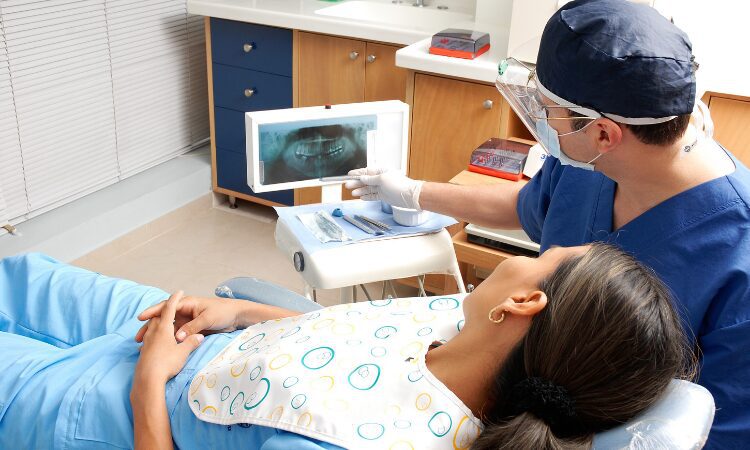
Regular check-ups are an essential part of implant recovery. Your dentist will schedule follow-up visits to monitor your healing and ensure that the implant is properly integrating with your jawbone. During these appointments, your dentist may take X-rays to check bone growth and confirm that everything is stable beneath the surface.
If something doesn’t feel right, contact your dentist right away. Signs that may need attention include:
- Persistent pain or swelling after a week
- Pus or discharge around the implant site
- Fever or chills
- A bad taste or odor in your mouth
We want to catch potential problems early. That way, we can prevent complications and help your implant heal successfully.
Long-Term Maintenance
Once your implant has fully healed and your permanent crown, bridge, or denture is attached, caring for it becomes part of your regular dental routine. Dental implants don’t decay like natural teeth, but the surrounding gums and bone still need attention to stay healthy.
Brush your teeth at least twice a day with a soft-bristled toothbrush and non-abrasive toothpaste. Be sure to clean gently around the gumline where plaque can collect. Floss daily and use tools like interdental brushes or water flossers if recommended by your dentist.
If you tend to grind or clench your teeth at night, consider wearing a custom nightguard. Grinding puts pressure on your teeth and implant, which can damage both over time.
Continue visiting your dentist every six months for professional cleanings and exams. These visits allow your dental team to check the stability of your implant and identify any early signs of gum inflammation or bone loss.
With good oral hygiene and consistent dental care, dental implants can last decades — and often for the rest of your life.
Get a Dental Implant Restoration in Gettysburg, PA
At Gettysburg Smiles, we’re here to improve and preserve your oral health. We coordinate with local oral surgeons to ensure you receive safe and effective dental implant treatment. If you’re missing one or more teeth, don’t hesitate to reach out. Contact our office to schedule a consultation and learn more about implant dentistry.